
Boost Home Energy Efficiency Today: Practical Tips for Improving Energy Efficiency
When it comes to saving money and protecting the environment, improving energy efficiency in your home or commercial building is one of the smartest moves you can make. I’ve learned that small changes can lead to big savings on energy bills and create a more comfortable space year-round. Whether you own a house, run a restaurant, or manage a commercial building, boosting your energy efficiency is easier than you might think. Let me walk you through some practical steps that you can start today.
Why Improving Energy Efficiency Matters
Energy efficiency means using less energy to perform the same tasks. This reduces waste, lowers your utility bills, and decreases your carbon footprint. For buildings, this often means better insulation, smarter heating and cooling, and efficient appliances.
Improving energy efficiency is not just about saving money. It also means your heating, ventilation, and air conditioning (HVAC) systems work better and last longer. This is especially important if you want to avoid costly repairs or replacements down the road.
Here are some benefits you can expect:
Lower energy bills every month
Increased comfort with fewer drafts and temperature swings
Reduced environmental impact
Extended lifespan of HVAC equipment
Higher property value
By focusing on energy efficiency, you’re making a smart investment in your property and the planet.

Simple Steps for Improving Energy Efficiency in Your Building
You don’t need to overhaul your entire property to see improvements. Start with these easy, practical steps:
1. Seal Air Leaks
Air leaks around windows, doors, and vents let warm or cool air escape. This forces your HVAC system to work harder. Use weatherstripping or caulk to seal gaps. Check areas like:
Window frames
Door edges
Electrical outlets on exterior walls
Attic hatches
2. Upgrade Insulation
Good insulation keeps your building warm in winter and cool in summer. Check your attic, walls, and basement. Adding insulation can reduce heating and cooling costs by up to 20%.
3. Maintain Your HVAC System
Regular maintenance keeps your heating and cooling systems running efficiently. Change filters every 1-3 months, clean ducts, and schedule professional tune-ups. A well-maintained system uses less energy and lasts longer.
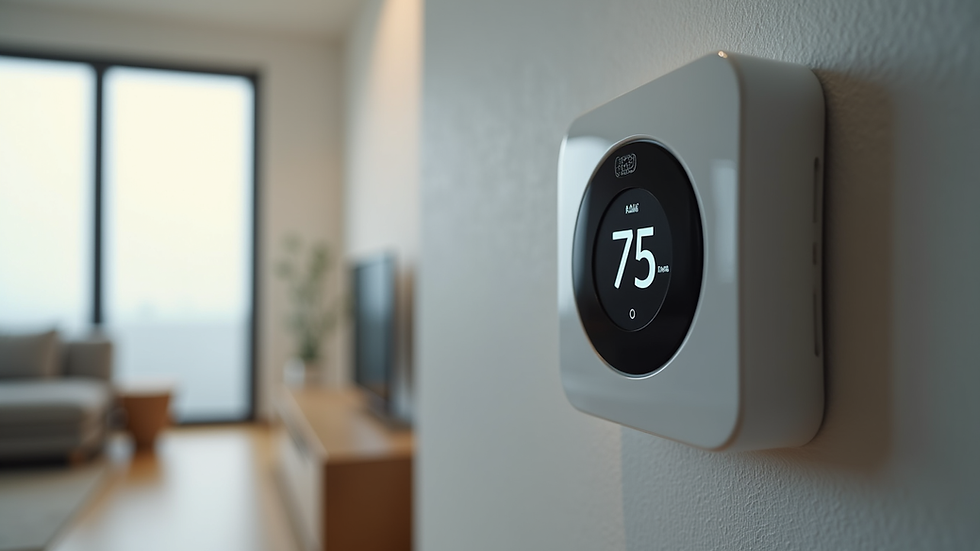
4. Use Programmable Thermostats
Programmable thermostats let you set temperatures based on your schedule. Lower the heat or air conditioning when you’re not there. This simple change can save up to 10% on heating and cooling costs.
5. Switch to Energy-Efficient Lighting
Replace incandescent bulbs with LED or CFL bulbs. They use less energy and last much longer. Also, consider installing motion sensors or timers in less-used areas.
6. Choose Energy-Efficient Appliances
When it’s time to replace appliances, look for ENERGY STAR® rated models. They use less energy without sacrificing performance.
By taking these steps, you’ll notice a difference in your energy bills and comfort levels.
What is the best energy rating, A or G?
Energy ratings help you understand how efficient an appliance or system is. The scale usually runs from A to G, with A being the most efficient and G the least.
Choosing products with an A rating means you get the best performance for the least energy use. This is especially important for HVAC systems, refrigerators, and other major appliances. While A-rated products might cost more upfront, they save money over time through lower energy bills.
Avoid products rated below C if possible, as they tend to consume more energy and increase your costs. Always check the energy label before making a purchase.
How to Choose the Right HVAC Service for Your Energy Efficiency Goals
Your HVAC system plays a huge role in your building’s energy use. Choosing the right service provider can make all the difference.
Here’s what to look for:
Experience and expertise: Choose a company with a strong track record in energy-efficient HVAC solutions.
Comprehensive services: Look for providers who offer installation, maintenance, and repair.
Customer care: Friendly, responsive service ensures your questions get answered and problems get fixed quickly.
Energy-saving advice: A good provider will help you understand how to optimize your system for efficiency.
Regular professional maintenance is key. It keeps your system running smoothly and helps catch small issues before they become costly repairs.
Easy Upgrades That Make a Big Difference
Sometimes, small upgrades can have a big impact on your energy efficiency. Here are a few ideas:
Install ceiling fans: They help circulate air and reduce the need for heating or cooling.
Use window coverings: Curtains or blinds can block heat in summer and keep warmth in during winter.
Add smart power strips: These cut power to devices when they’re not in use, reducing “phantom” energy drain.
Plant shade trees: Strategically placed trees can cool your building naturally.
These upgrades are affordable and simple but can significantly reduce your energy use.
Taking the First Step Toward Better Energy Efficiency
Improving your building’s energy efficiency is a journey, not a one-time fix. Start with small changes and build from there. Remember, every step counts.
If you want to learn more about how to boost your home energy efficiency, there are many resources available to guide you. And when it comes to HVAC service, choosing a trusted professional can make all the difference in achieving your energy goals.
By investing in energy efficiency today, you’re creating a more comfortable, cost-effective, and environmentally friendly space for years to come. Let’s get started!


Comments