
Innovative Commercial Cooling Solutions for Your Business
Keeping your business environment cool and comfortable is essential for productivity, employee satisfaction, and equipment longevity. As technology advances, innovative business cooling solutions have emerged to meet the diverse needs of commercial spaces. This article explores modern cooling options designed to optimize your workspace climate efficiently and sustainably.
Understanding Business Cooling Solutions: What Works Best?
Choosing the right cooling system depends on several factors including the size of your space, the nature of your business, and energy efficiency goals. Traditional air conditioning units are common but may not always be the most cost-effective or environmentally friendly option.
Some popular business cooling solutions include:
Variable Refrigerant Flow (VRF) Systems: These systems allow precise temperature control in different zones, reducing energy waste.
Evaporative Coolers: Ideal for dry climates, they use water evaporation to cool air naturally.
Chilled Beam Systems: These use water to cool spaces quietly and efficiently, perfect for offices and retail environments.
Smart Thermostats and Controls: Integrating IoT technology helps monitor and adjust cooling based on occupancy and weather conditions.
Each option offers unique benefits. For example, VRF systems can reduce energy consumption by up to 30% compared to conventional HVAC units. Evaporative coolers provide a green alternative by using less electricity and no refrigerants.

Modern VRF system installed in a commercial office space
Benefits of Upgrading to Advanced Business Cooling Solutions
Upgrading your cooling system can lead to significant improvements beyond just temperature control. Here are some key advantages:
Energy Efficiency: Newer systems consume less power, lowering utility bills.
Improved Air Quality: Advanced filters and ventilation reduce allergens and pollutants.
Enhanced Comfort: Precise temperature and humidity control create a better working environment.
Reduced Maintenance Costs: Modern equipment often requires less frequent servicing.
Sustainability: Many solutions use eco-friendly refrigerants and materials.
For example, chilled beam systems operate silently and avoid blowing air directly, which can reduce dust circulation and improve air quality. Smart thermostats learn usage patterns and adjust settings automatically, preventing unnecessary cooling during off-hours.
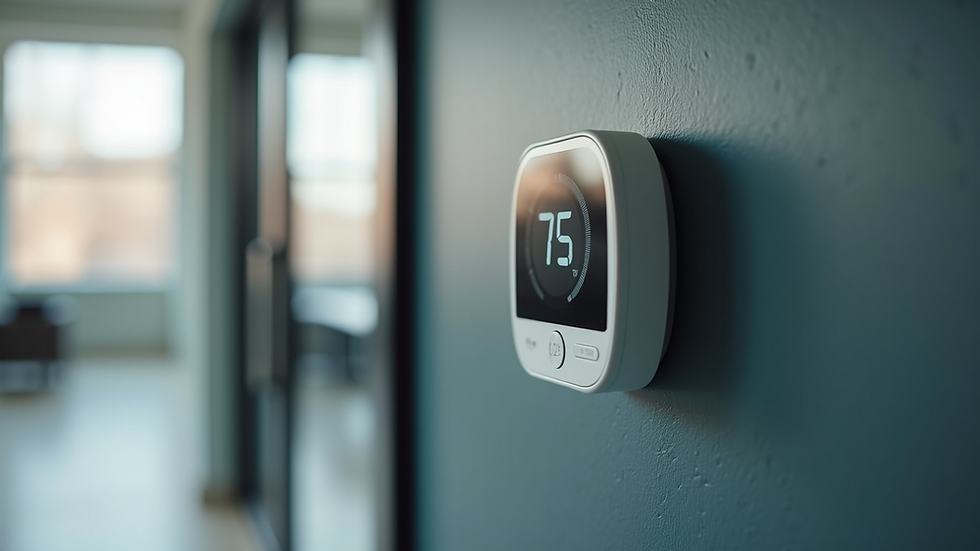
Smart thermostat optimizing energy use in a commercial building
How to Choose the Right Cooling System for Your Business
Selecting the ideal cooling solution involves assessing your specific needs and constraints. Consider the following steps:
Evaluate Your Space: Measure the square footage, ceiling height, and insulation quality.
Identify Heat Sources: Equipment, lighting, and occupancy levels affect cooling requirements.
Set a Budget: Factor in installation, operation, and maintenance costs.
Consider Energy Efficiency: Look for systems with high SEER (Seasonal Energy Efficiency Ratio) ratings.
Consult Professionals: Engage with HVAC experts to analyze your options and design a tailored solution.
For businesses with multiple zones or varying occupancy, VRF systems offer flexibility by allowing independent temperature control. If your location experiences dry weather, evaporative cooling can be a cost-effective choice. Always prioritize systems that align with your sustainability goals and local climate conditions.
Implementing Commercial Cooling Solutions: Practical Tips
Once you have selected a cooling system, proper implementation is crucial for optimal performance. Here are actionable recommendations:
Regular Maintenance: Schedule routine inspections and cleanings to keep systems running efficiently.
Optimize Airflow: Ensure vents and ducts are unobstructed and properly sealed.
Use Zoning Controls: Adjust cooling based on room usage to save energy.
Integrate with Building Management Systems: Centralized control can improve monitoring and reduce waste.
Train Staff: Educate employees on best practices for using cooling systems effectively.
Additionally, consider upgrading insulation and window treatments to reduce heat gain. Installing ceiling fans can complement cooling systems by improving air circulation. These combined efforts can significantly reduce energy consumption and enhance comfort.
For businesses looking for reliable and innovative options, exploring commercial cooling solutions can provide tailored systems designed to meet your unique needs.
Future Trends in Business Cooling Technology
The cooling industry is rapidly evolving with new technologies aimed at improving efficiency and sustainability. Some emerging trends include:
AI-Driven Climate Control: Artificial intelligence can predict cooling needs based on weather forecasts and occupancy patterns.
Renewable Energy Integration: Solar-powered cooling systems reduce reliance on grid electricity.
Advanced Refrigerants: New eco-friendly refrigerants minimize environmental impact.
Thermal Energy Storage: Systems that store cooling energy during off-peak hours to reduce costs.
Modular and Scalable Systems: Easily expandable solutions that grow with your business.
Staying informed about these innovations can help businesses future-proof their cooling infrastructure and maintain competitive advantages.
Enhancing Your Business Environment with Smart Cooling
Investing in innovative business cooling solutions is more than just a comfort upgrade - it’s a strategic move that can improve productivity, reduce costs, and support sustainability goals. By carefully selecting and maintaining the right system, your business can enjoy a comfortable environment year-round.
Explore the latest options and consult with experts to find the best fit for your commercial space. With the right approach, your cooling system will become a valuable asset that supports your business success.
This article provided practical insights and actionable advice to help businesses optimize their cooling systems with innovative solutions.


Comments